Wondering why your roof runs so much hotter in spring, and worried it will get worse in summer? You may have an attic ventilation problem. Good attic ventilation doesn't just make your home more comfortable and energy efficient, it also helps prolong the life and performance of your roof. Here is why it matters.
1. Preventing moisture build-up
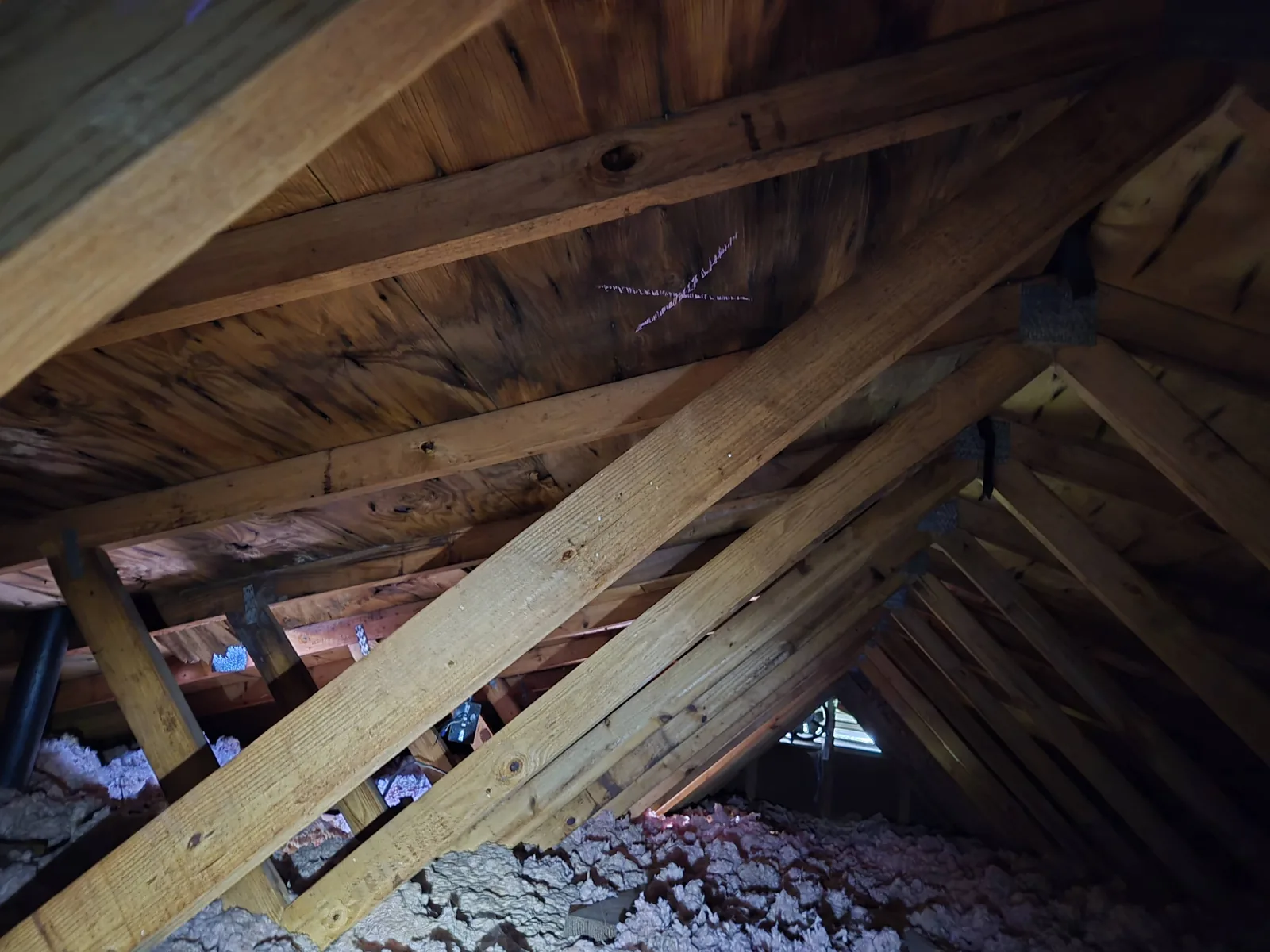
One of the main jobs of attic ventilation is to stop moisture building up. Moisture gets into your attic in several ways, from outside air to cooking and showering. Without proper ventilation it accumulates and heads straight up to your roof. Moisture that can't escape will usually lead to mold and mildew, which damages your roof and poses real health risks to your family.
2. Extending the lifespan of your roof
Proper attic ventilation can add years to a roof. In summer, a well-ventilated attic expels hot air and stops asphalt shingles overheating. Shingles are damaged and age early under extreme heat. If you notice cracking, curling or other damage, your attic ventilation may be the thing that needs updating. Those are also signs you may need a new roof.
3. Improving energy efficiency
Less trapped heat indoors means less strain on your air conditioning, which means lower heating and cooling bills. In winter, proper ventilation helps prevent ice dams forming on the roof, avoiding water damage and heat loss.
4. Preserving indoor air quality
With adequate ventilation you avoid harmful pollutants, allergens and other contaminants circulating in your home, because they can escape through the attic rather than staying inside. Those elements can cause illness and make existing conditions worse once inhaled. A well-ventilated attic means a healthier home.
How Attic Ventilation Works on a Wilmington Home
A vented attic lets outside air in low and out high. Intake vents sit under the eaves, in the soffits. Exhaust vents sit near the top of the roof, usually a ridge vent along the peak or box vents set into the roof. As the attic warms, hot, damp air rises and leaves through the exhaust, and cooler air is drawn in through the soffits to take its place. In a humid coastal climate like Wilmington's, that steady movement of air is what carries moisture out before it settles on the underside of the roof deck.
The system only works when both ends are open. A common problem is soffit vents that have been painted over, or blocked by insulation pushed tight against the roof deck, so the exhaust has nothing to draw from. Mixing exhaust types on one roof, such as a ridge vent next to a powered fan, can also cause trouble: one vent can end up pulling air in through the other instead of through the soffits.
Signs worth checking for yourself: an upstairs that stays hot long after sunset, a musty smell in the attic, or damp or dark stains on the underside of the roof deck. When we inspect a roof we look at the attic ventilation as well as the shingles, flashing and gutters. On a replacement the vents are part of the job: our Porters Neck roof replacement, for example, got a new ridge vent with its new GAF shingles.
Ready to get your attic ventilation taken care of? You can always count on Howard Roofing & Construction. Call us at (910) 540-7726 or schedule a free roof inspection and we'll check the attic while we are there.