Who doesn't love the mild temperatures of spring? Roofers love spring too, because it's much easier to inspect a roof and do the work needed to get it back in shape. Regular spring inspections prevent costly repairs and extend the life of your roof, especially before the heat of summer arrives. Here is what a proper roof inspection covers.
1. Safety first
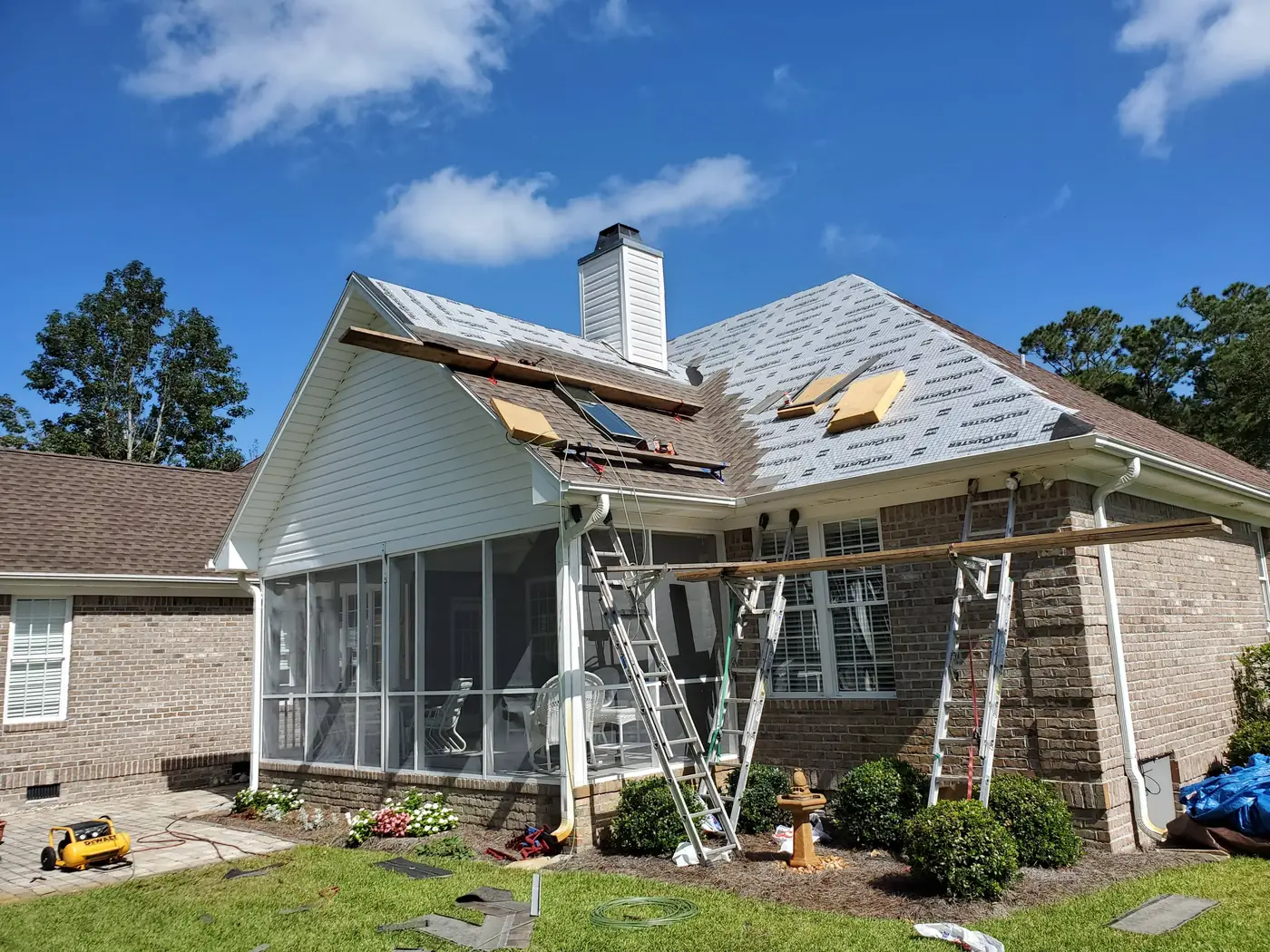
Professional roofers put safety first. They use a sturdy, roof-rated ladder and wear appropriate harnesses and footwear. Where necessary they will erect scaffolding to reach higher parts of the roof, especially on high-slope homes. They will also avoid inspecting in wet or windy conditions, which are rare in spring.
2. Exterior inspection
First the roofers check the exterior from the ground, looking for visible damage, missing or cracked shingles, sagging areas and general wear. They will also clear debris, branches and leaves off the roof surface and out of the gutter system.
3. Gutters and downspouts
Gutters come next. As with the shingles, your roofers inspect the gutters and downspouts for debris build-up and clear them. If it's part of your service package they may also clean the gutters or recommend gutter protection that stops branches and leaves getting in. They will check the gutters are securely attached to the roof edge and that the downspouts direct water away from the foundation.
4. Flashing
The flashing around chimneys, skylights and vents is inspected next. Roofers look for rust, denting, severe damage or structural deterioration. Flashing in poor condition needs replacing as soon as possible, because damaged flashing leads to water leaks in the attic and raises humidity levels there.
5. Shingles
Your asphalt shingles are the top layer of the roof. Your contractor will carefully inspect them for cracks, curling or missing pieces. Next they look at the ridges, where roofing planes meet. Ridges that have moved need readjusting or patching with cap shingles designed to keep them sealed in place. If several of these show up at once, read the signs you need a new asphalt roof.
6. Roof valleys
Valleys are the opposite of ridges: two planes that meet and create a valley on your roof. Roofers check valleys as closely as ridges, because they have to be watertight.
7. Skylights
Your roofer will check any skylights for damage or leaks, looking for flashing rust or deterioration and structural problems. They may apply sealant for minor issues, or replace the flashing where that's needed to prevent leaks.
8. Attic inspection
With the roof itself covered, it's time to check the bottom layer: the attic. Roofers check for water stains, mold and mildew and recommend clearing them. These are a primary cause of poor indoor air quality and possible respiratory problems once mold takes hold. Last, they check the roof has proper insulation and attic ventilation to prevent the heat build-up that damages the top layer of the roof.
Document the findings
You can keep a record of the inspection data and photographs from your roofer if you ask for it. They can send it as digital video and photography, along with written recommendations and an overall evaluation of the roof. That documentation is useful later for insurance purposes, or when hiring a contractor for repairs or maintenance.
Ready to have your roof inspected this spring? You can always count on Howard Roofing & Construction. Call us at (910) 540-7726 or schedule a free roof inspection to get started.